Menstrual care is not optional. Menstrual care is essential.

Menstrual care is no longer a topic to whisper about. It is a daily reality for millions of women, yet menstrual care is still misunderstood, ignored, or poorly addressed in many households. Proper menstrual care is not just about comfort. Menstrual care is directly connected to health, hygiene, confidence, and long-term well-being.
Menstrual care deserves clarity, awareness, and better choices.
Why Menstrual Care Matters More Than Ever
Menstrual care plays a crucial role in preventing infections, irritation, and long-term reproductive health issues. Poor menstrual care practices can lead to rashes, urinary infections, and discomfort that disrupt daily life.
Modern lifestyles demand better menstrual care solutions. Women today work long hours, travel frequently, and manage multiple responsibilities. Menstrual care must support this lifestyle, not restrict it.
Good menstrual care is self-care. Simple as that.
Understanding Menstrual Care Beyond Products
Menstrual care is not limited to pads, tampons, or cups. True menstrual care includes hygiene habits, body awareness, nutrition, and emotional well-being.
Menstrual care starts with understanding your cycle. Knowing flow patterns helps you choose the right menstrual care products and avoid leaks or discomfort. Menstrual care also involves changing products at the right time, maintaining intimate hygiene, and listening to your body.
Ignoring menstrual care signals can lead to unnecessary pain and stress.
Menstrual Care and Hygiene: The Non-Negotiables
Hygiene is the foundation of menstrual care. Without proper hygiene, even the best products fail.
Key menstrual care hygiene practices include:
- 1.Changing sanitary products regularly
- 2.Washing hands before and after changes
- 3.Cleaning the intimate area gently
- 4.Avoiding harsh soaps during menstruation
Menstrual care hygiene reduces odor, discomfort, and infection risk. Clean habits elevate menstrual care quality instantly.
Choosing the Right Menstrual Care Products
Menstrual care options have evolved significantly. Today, women can choose what suits their bodies and lifestyles best.
Common menstrual care products include:
- 1.Sanitary pads
- 2.Tampons
- 3.Menstrual cups
- 4.Period panties
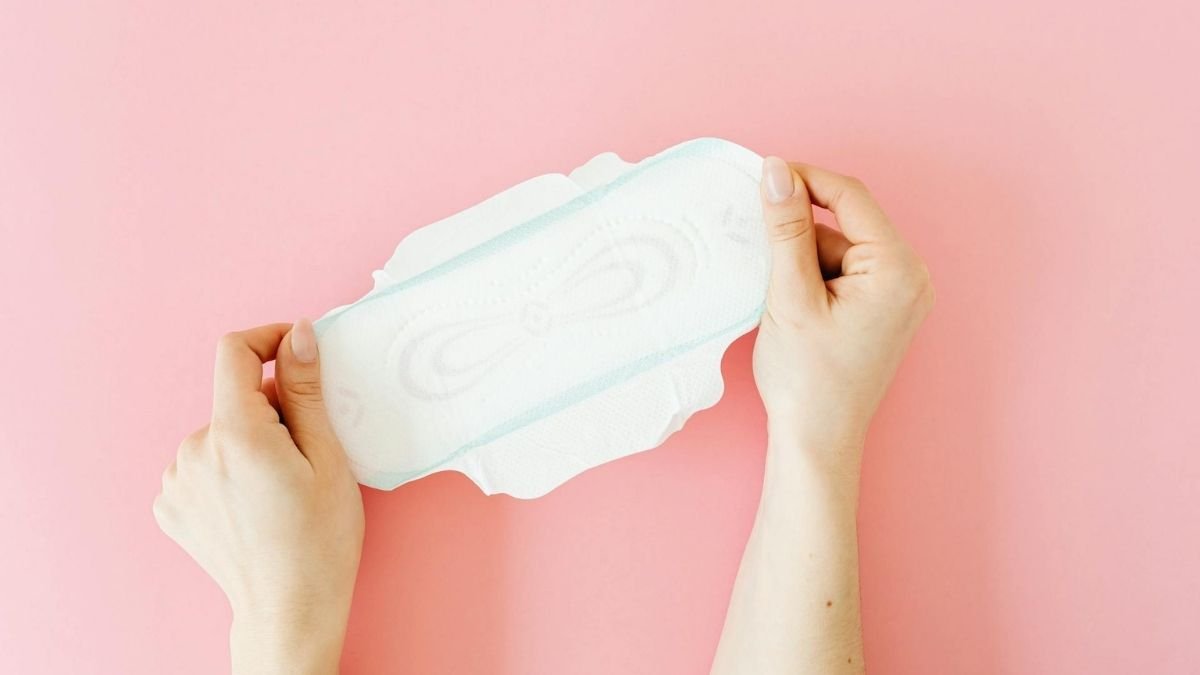
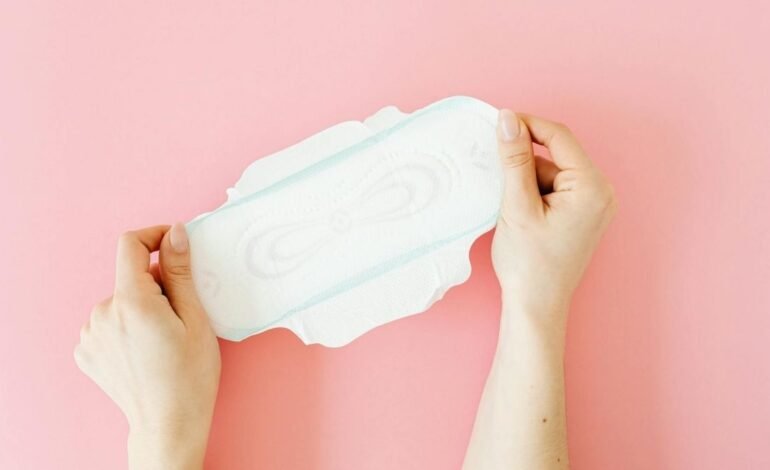
Each menstrual care product has advantages. Sanitary pads offer convenience, cups provide sustainability, and tampons allow freedom of movement. The best menstrual care choice is personal, not universal.
Menstrual care works best when comfort meets confidence.
Sustainable Menstrual Care Is the Future
Sustainability is becoming a major part of menstrual care conversations. Disposable products create waste, while reusable menstrual care options reduce environmental impact.
Eco-friendly menstrual care options like menstrual cups and cloth pads are gaining popularity. Sustainable menstrual care supports both personal health and environmental responsibility.
Choosing sustainable menstrual care is a conscious step toward a better future.
Menstrual Care and Mental Well-Being
Menstrual care is not only physical. Emotional comfort matters too.
Poor menstrual care can increase anxiety, embarrassment, and self-doubt. On the other hand, effective menstrual care boosts confidence and allows women to participate fully in daily activities.
Menstrual care should empower, not restrict.
Menstrual Care Myths That Need to End
Many myths still surround menstrual care. These myths harm awareness and lead to unhealthy practices.
Common menstrual care myths include:
- 1.Menstrual care products cause infertility (false)
- 2.Period pain should be tolerated (false)
- 3.Menstrual care is only for married women (false)
Educating young girls about menstrual care early builds lifelong healthy habits.
Menstrual Care for Teenagers and First Cycles
Early education is essential for menstrual care. Teenagers often feel confused and scared during their first cycle. Clear guidance on menstrual care can prevent fear and shame.
Parents and schools play a vital role in shaping menstrual care understanding. Open conversations normalize menstrual care and build trust.
Menstrual care education should be honest, simple, and judgment-free.
Menstrual Care in Daily Life and Work
Menstrual care should adapt to real life. Whether at work, school, or travel, menstrual care must be reliable.
Carrying backup menstrual care products, wearing breathable clothing, and staying hydrated make a noticeable difference. Smart menstrual care planning reduces stress and distractions.
Menstrual care should support productivity, not interrupt it.
Final Thoughts on Menstrual Care
Menstrual care is a lifelong practice, not a monthly inconvenience. Prioritizing menstrual care improves health, confidence, and overall quality of life.
Every woman deserves access to safe, comfortable, and informed menstrual care choices. Talking openly about menstrual care creates awareness, breaks stigma, and empowers generations.
Menstrual care is not optional. Menstrual care is essential.
Frequently Asked Questions (FAQs)
1. Why is menstrual care important for women’s health?
Menstrual care helps prevent infections, skin irritation, and discomfort while supporting overall reproductive health and hygiene.
2. How often should menstrual care products be changed?
Menstrual care products should be changed every 4–6 hours to maintain hygiene and prevent odor or infections.
3. Are sustainable menstrual care products safe to use?
Yes, sustainable menstrual care products like menstrual cups and cloth pads are safe when used and cleaned properly.
4. Can poor menstrual care cause infections?
Yes, improper menstrual care practices can lead to bacterial and fungal infections.
5. What is the best menstrual care product for beginners?
Sanitary pads are often recommended for beginners, but the best menstrual care product depends on comfort, flow, and lifestyle.